What we do · 02 — Applied Research

We work at the frontier of human-centred AI.

We address complex, real-world challenges where better data, stronger participation, and smarter decisions can create measurable societal and environmental value, across four focus sectors.

Our approach

Solutions developed with the people who will use them.

  • Users inside the process

    End users, stakeholders, and communities shape every solution.

  • AI meets lived experience

    Advanced AI capability paired with sector knowledge and local context.

  • Trusted where it lands

    Shaped, applied, and trusted in the environments that need it most.

Focus areas

Where we work, in depth.

Energy

Why this matters in Europe

We support the transition toward decentralised, low-carbon, and resilient energy systems aligned with EU Green Deal priorities and UN Sustainable Development Goals. Europe continues to face major economic, societal, and environmental energy challenges, including rising energy costs, energy poverty, grid instability, climate pressures, and unequal access to clean-energy benefits. According to the European Commission, more than 8,000 energy communities already operate across the EU, while over 2 million European citizens participate in community-energy initiatives supporting local energy resilience, affordability, and energy democracy.

Our activities focus on AI-enabled optimisation, predictive analytics, smart-grid intelligence, and adaptive energy management supporting efficiency, stability, and sustainability. At the same time, we recognise that the energy transition cannot succeed without citizen participation, social inclusion, public trust, and community co-ownership of innovation pathways. EU policy increasingly highlights the importance of citizen-driven energy systems, inclusive governance, and local participation to strengthen public acceptance, reduce energy poverty, and ensure that communities directly benefit from the clean-energy transition.

In practice

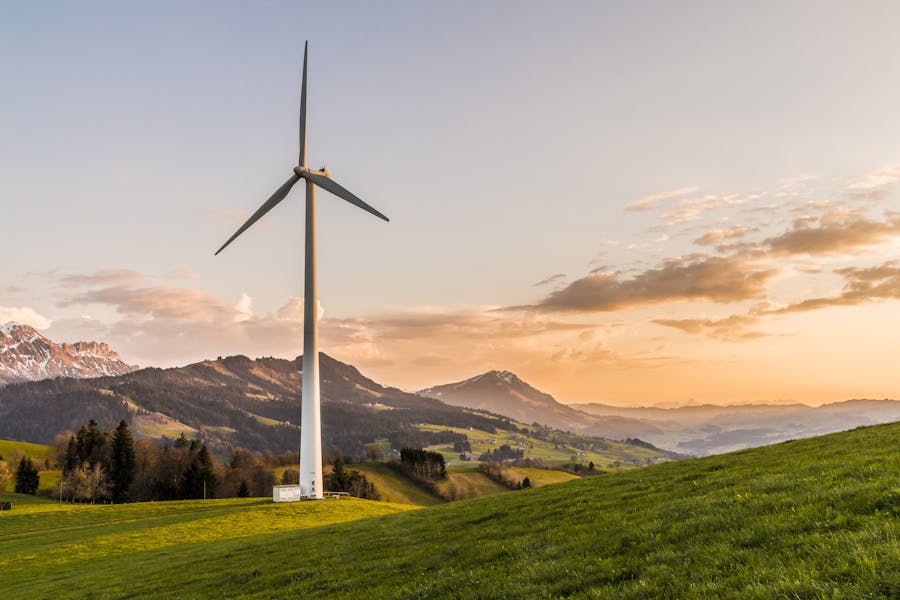
  • AI-driven smart grids Real-time balancing of renewable energy systems at scale, something unmanageable without AI due to complexity and variability.
  • Digital twins of energy systems Simulation and optimisation of entire power networks, enabling predictive control, resilience, and decarbonisation pathways.
Wind turbines on a hillside Solar panel array Wind farm at sunset

Agriculture

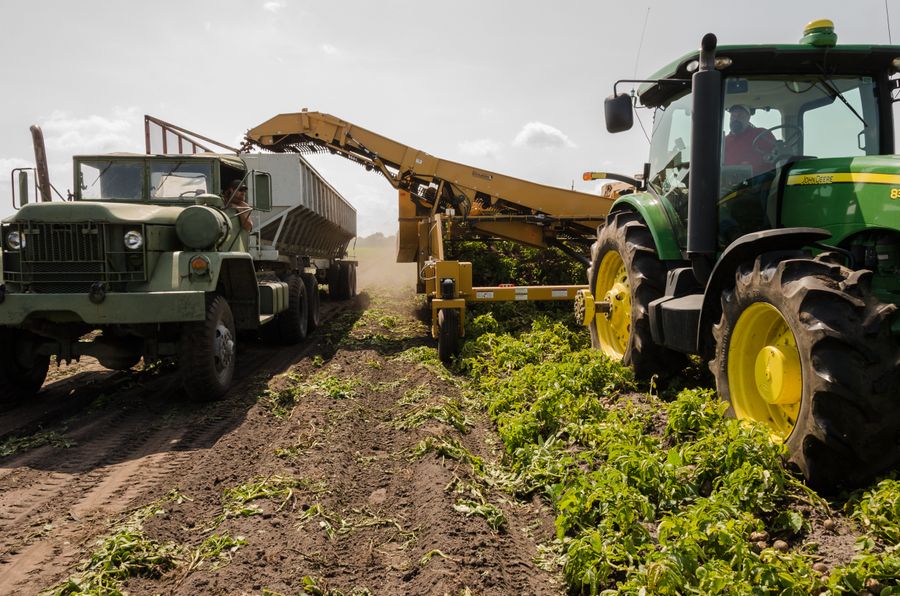
  • Precision agriculture at plant level AI-driven analysis of soil, weather, and crop health enabling micro-interventions that dramatically increase yield and reduce inputs.
  • Real-time disease detection Computer vision systems identifying plant diseases instantly in the field, preventing large-scale crop loss.
Green crop field Drone over a farm field

Health

Why this matters in Europe

Europe continues to face major health challenges linked to rising cancer incidence, ageing populations, Alzheimer’s disease and other neurodegenerative disorders, changing demographics, nutritional imbalances, unequal access to healthcare innovation, and increasing pressure on healthcare systems. More than 21% of the EU population is aged over 65 (Eurostat, 2024), while dementia affects over 7 million people across Europe, with Alzheimer’s disease representing the most common form (European Commission, 2024). At the same time, obesity, malnutrition, metabolic disorders, and lifestyle-related chronic diseases are increasing across both younger and older populations, creating additional societal and economic pressures on healthcare and care systems. Cancer remains one of the leading causes of mortality, accounting for approximately 1.3 million deaths annually and nearly 2.7 million new diagnoses every year across the EU (European Commission, 2025). These evolving demographic and health trends are accelerating the need for more preventive, personalised, intelligent, and adaptive healthcare approaches.

AI, robotics, precision health, and data-driven technologies are becoming increasingly important in supporting earlier diagnosis, personalised therapies, assisted living, remote monitoring, intelligent nutrition strategies, healthy ageing, and healthcare-system resilience. Through applied research, capability building, and cross-sector collaboration, AFA supports activities contributing to next-generation health innovation ecosystems beyond the current state of the art in areas including cancer therapies, neurodegenerative disease support, digital health, nutrition-informed wellbeing, intelligent care systems, and human-centred healthcare innovation. Our activities emphasise inclusivity, ethics, stakeholder participation, and knowledge transfer, supporting healthcare professionals, innovators, caregivers, organisations, and communities in navigating rapidly evolving biomedical and AI-driven health landscapes.

In practice

  • AI-powered diagnostics Early detection of diseases (e.g. cancer, cardiovascular conditions) with accuracy beyond human capability in imaging and pattern recognition.
  • AI-driven drug discovery Rapid identification and design of new molecules, reducing timelines from years to months.
Stethoscope on medical desk Medical imaging on screen Laboratory research

Environment

  • AI for ecosystem monitoring Real-time analysis of satellite imagery and sensor data, tracking biodiversity loss, deforestation, and pollution at scale.
  • Climate risk modelling AI-driven simulation of climate scenarios, helping communities and policymakers plan adaptation and resilience strategies.
Aerial view of pine forest canopy Mountain landscape

Research in action

Where research becomes capability.

We turn participation into action by creating hands-on, real-world environments where people, stakeholders, and AI come together to solve problems.

AI Co-creation Labs

Practitioners and young people work alongside experts to design and test AI solutions on real problems, in working sessions with tangible outputs.

Hackathons & Sprints

Sector-specific challenges in energy, health, agriculture, environment. Winning ideas are valorised and showcased.

Living Labs

We bring AI into real-world environments, working with communities, farmers, and local stakeholders across European territories.

Showcase Platforms

Interactive demonstrations, scenario simulations, and use-case environments, supporting adoption and informed decision-making.

Collaborate on applied AI research.

Open to EU-funded consortia, public-sector collaborations, and joint research across our four focus areas.